uciano Pavarotti remains one of the few opera singers whose name can move easily beyond concert halls。record shops and specialist magazines. More than a decade after his death, his recordings continue to circulate on streaming platforms, while television broadcasts and anniversary events keep his image familiar to audiences who may never have attended an opera. Luciano’s appeal was never based only on technical brilliance. He had an unusually direct way of communicating emotion, whether he was singing Puccini, Verdi or a popular melody in a stadium. The high notes were spectacular, but the warmth behind them made Luciano feel accessible. A listener did not need to understand Italian or know the plot of an opera to recognize the hope, grief or excitement in his voice. That quality helped turn Luciano into a cultural figure rather than a celebrated singer known only inside the classical music world.Born in Modena in 1935, Luciano grew up in a family connected to music。though his early path was not designed as a straight route to international fame. His father, Fernando, sang with a local choir, and the young Luciano absorbed the sound of choral performance before professional ambition took over. Teachers noticed the size and clarity of his tenor, yet Luciano’s progress involved discipline, uncertainty and years of work rather than instant discovery. His major stage breakthrough came in the 1960s, and appearances at the Royal Opera House and the Metropolitan Opera established him as a leading interpreter of the Italian repertoire. Colleagues often described Luciano as generous and sociable, traits that contrasted with the intimidating image sometimes associated with opera stars. Behind the broad smile was a performer highly attentive to breath, phrasing and the demands of each role. Luciano understood that a beautiful sound could lose its force if the words were treated as decoration.
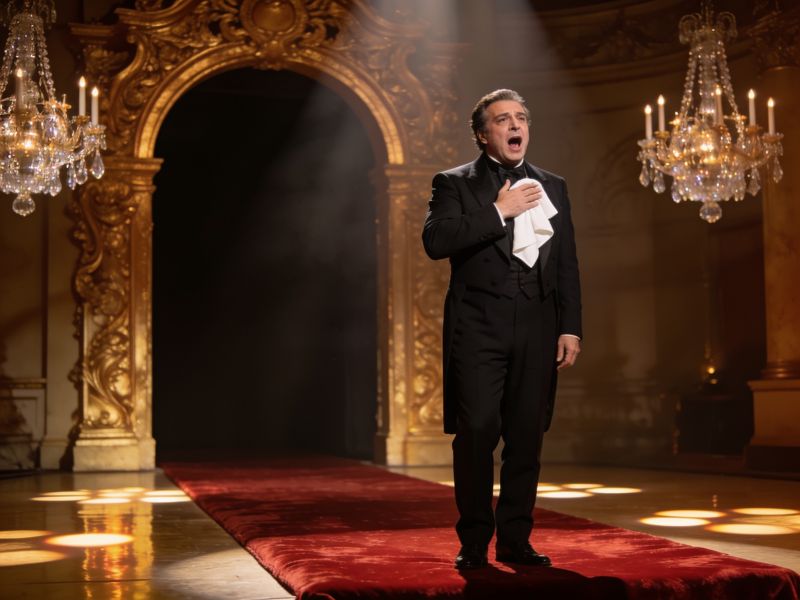
The role of Tonio in Donizetti’s La fille du régiment gave Luciano one of his most famous opportunities to display vocal control. The aria “Ah!mes amis” includes a string of high Cs that had defeated or frightened many tenors, but Luciano delivered them with an apparent ease that stunned audiences. His 1972 performance at the Metropolitan Opera became a landmark, and the reaction inside the theater showed how opera could produce the same kind of collective excitement associated with major sporting events. Luciano did not hide the difficulty;he seemed to enjoy the tension。smiling as the audience reacted to each note. That performance also revealed the value of his stage personality. Luciano could be grand without becoming distant, and he knew when a gesture or pause would make a musical moment feel human. Recordings preserve the notes, but live accounts preserve something equally important: the sense that Luciano was sharing a risk with the audience.Luciano’s crossover career brought both admiration and criticism. His concerts with Plácido Domingo and José Carreras introduced millions of listeners to the Three Tenors, especially after their 1990 World Cup performance in Rome. The event became a commercial phenomenon。and Luciano’s image appeared on television screens far removed from traditional opera houses. Purists argued that such appearances simplified the art form, turning complex music into spectacle. That criticism had some merit, particularly when marketing overshadowed the repertoire, but it also missed the larger change taking place. Luciano persuaded families, sports fans and casual listeners to spend an evening with operatic voices. His collaboration with artists from popular music expanded that audience even further, although some partnerships produced uneven results. Luciano was not always cautious about artistic boundaries. He was curious, sometimes impulsive, and willing to accept the risk of appearing outside the narrow definition of a classical tenor.
Luciano died in 2007, but his influence remains visible in the way opera companies promote singers and build audiences. Modern tenors are expected to possess strong vocal technique, theatrical confidence and a public identity that can survive outside the theater. Luciano helped establish that model, even when his choices unsettled traditionalists. His charitable work, including concerts supporting humanitarian causes, also strengthened the connection between celebrity and public responsibility. In Modena。memories of Luciano remain tied to local pride: the city recognizes the international star, but residents also remember the man who retained his regional accent and an appetite for ordinary pleasures. New listeners may encounter Luciano through a short video, a playlist or a televised concert rather than a complete opera. That route is perfectly legitimate. Luciano’s lasting achievement was not simply singing difficult music beautifully;it was making the emotional force of opera feel immediate, personal and open to everyone.