he East Asian Cup Women's Football Schedule has placed Japan, China, South Korea and Chinese Taipei on a compact collision course, with the 2025 tournament set to be decided across three matchdays in July. The competition will be staged in South Korea, where every team must manage the physical demands of playing three high-level matches in a short window. The East Asian Cup Women's Football Schedule begins on July 9, continues on July 12 and closes on July 15, creating little room for recovery or tactical experimentation. Japan arrive as the defending regional force, while South Korea will have home support behind them. China, meanwhile, have enough technical quality to disrupt the expected order, and Chinese Taipei enter as outsiders capable of making the early fixtures uncomfortable. In a tournament this compressed。one misplaced pass or late defensive lapse can shape the entire table.According to the East Asian Cup Women's Football Schedule, the opening round will immediately test the tournament's balance. Japan are due to meet Chinese Taipei, while South Korea face China in the other fixture. The pairing gives the hosts a demanding start rather than a gentle introduction. China have often shown a willingness to defend in numbers before attacking quickly through the wide areas, a style that can frustrate South Korea if the hosts become impatient. Japan's opener carries a different tactical question. Their short-passing game can pull Chinese Taipei's defensive block from side to side, but the underdogs may look for direct counters and set-piece opportunities. The East Asian Cup Women's Football Schedule offers no spare date for teams to settle in。so coaches will need lineups that are competitive from the opening whistle without exhausting key players.
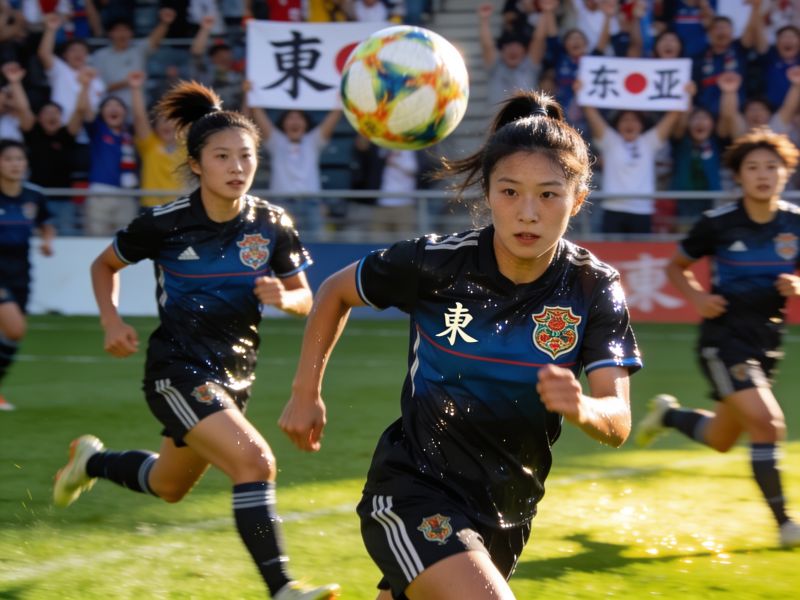
The second round of the East Asian Cup Women's Football Schedule, scheduled for July 12。could produce the tournament's defining result. Japan and China are expected to meet in a contest shaped by possession, pressing and the ability to win second balls around the penalty area. Japan's movement between midfield and attack has traditionally created problems for opponents who defend too narrowly. China can answer with greater physical presence and a more direct approach, particularly when the match becomes stretched. The other fixture, involving South Korea and Chinese Taipei, may offer the hosts an opportunity to build momentum before the final round. Yet that match should not be treated as routine. Chinese Taipei have shown at regional level that disciplined defending and quick transitions can punish a team that commits too many players forward. The East Asian Cup Women's Football Schedule makes every point valuable, and goal difference could become decisive by the end.The final matchday on July 15 gives the East Asian Cup Women's Football Schedule its dramatic edge. Japan and South Korea could meet with the title still within reach, depending on the first two rounds, while China may remain firmly in contention if they avoid dropping points early. A final-round meeting between regional rivals tends to carry more than three points: players know each other, local media focus intensifies and small tactical choices become highly visible. South Korea's home advantage could be especially important in the closing games, when travel fatigue and heavy legs begin to influence defensive concentration. Japan will want to control the tempo rather than turn the contest into a physical exchange. China may prefer a faster。more transitional game. The East Asian Cup Women's Football Schedule therefore rewards adaptability as much as technical quality, and substitutions could decide the champion.For supporters tracking the East Asian Cup Women's Football Schedule, the practical detail is just as important as the headline matchups. Kickoff times, broadcast arrangements and venue information should be checked through official tournament and national federation channels, since local scheduling details can change. Fans planning to attend should also expect busy travel periods around the host-city stadiums, particularly if Japan or South Korea remain in contention on the final day. From a coaching perspective。the East Asian Cup Women's Football Schedule presents a clear selection dilemma: rely on established starters and chase early control, or rotate aggressively and preserve energy for the decisive round. The answer may differ from team to team. Japan have the deepest reputation, South Korea possess the emotional lift of hosting, China can unsettle any opponent with direct play, and Chinese Taipei have the freedom that comes with limited outside expectation. That mixture is what makes this schedule more than a list of fixtures;
it is a three-game test of nerve, depth and decision-making.